
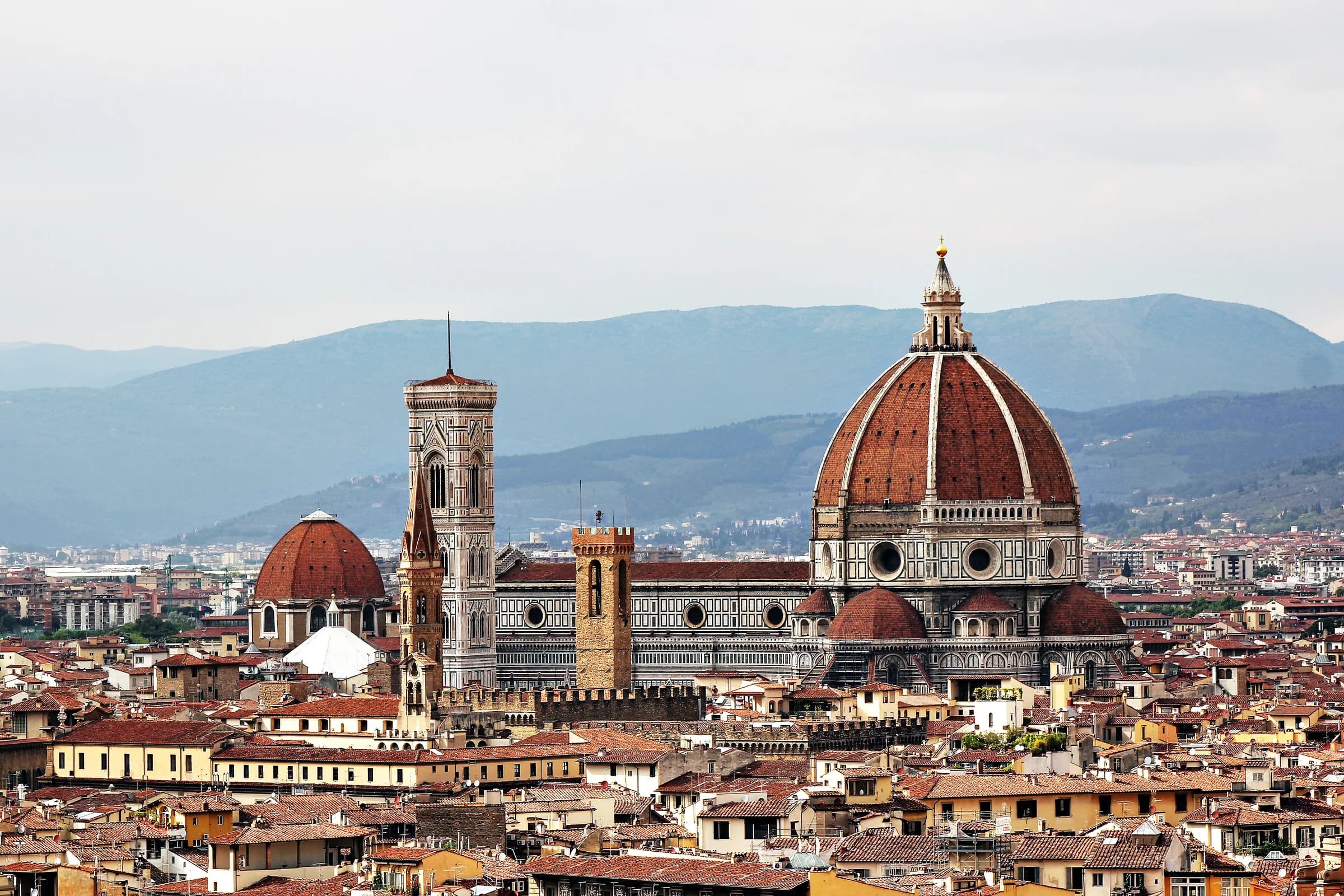
Exchange Students
Student exchange in Italy
Come to Italy for 3 months, a semester or a school year: you will live with a host family, attend an Italian high school and have an AFSAI local coordinator at your side at every stage of the programme.

The programme
A time that will help you grow
If you choose to come to Italy on an exchange programme, exciting and fun times lie ahead. It is a period of your life that will help you grow and bring incredible experiences, as you get used to a new family, a new school and a new country. By the end of the programme we hope you will feel a little bit Italian, and look back with pleasure on your time here.
Of course, there will be some challenges and frustrations as you get used to the Italian way, but we will do our best to help and support you through the transition. Throughout the programme you will have the support of your local coordinator at every step: they are your mentor, and you can talk to them about anything.
What's included
Included in the programme
- Orientation on arrival: it covers programme matters, a cultural introduction to life in Italy, living with a host family, culture shock and the programme rules. It takes place within the first 2 or 3 weeks of arrival in the host community. Students who arrive outside the official arrival weekends may miss it and have a private, one-to-one orientation with AFSAI instead.
- Board and lodging: full board and accommodation with a host family for the official programme dates. Every family is interviewed and selected for its interest in educational exchange and its ability to provide a positive home environment. Host families in Italy are volunteers.
- School: enrolment at a local upper-secondary school, not necessarily the one attended by any children of the host family.
- Transfers: to and from the designated arrival and departure airport, at reasonable hours.
- Support: support and counselling from the AFSAI local coordinator.
- Emergencies: a 24-hour emergency phone line from AFSAI's office in Rome.
Dates and placement
When and where
Programme dates
- School year: September to June
- Semester: September to January, or February to June
- Term (3 months): starting in September
Host communities
AFSAI currently places students all over Italy and cannot guarantee that requests for a specific location will be met. Most of our host families live in small towns: applicants must accept that they may not be placed in an urban area.
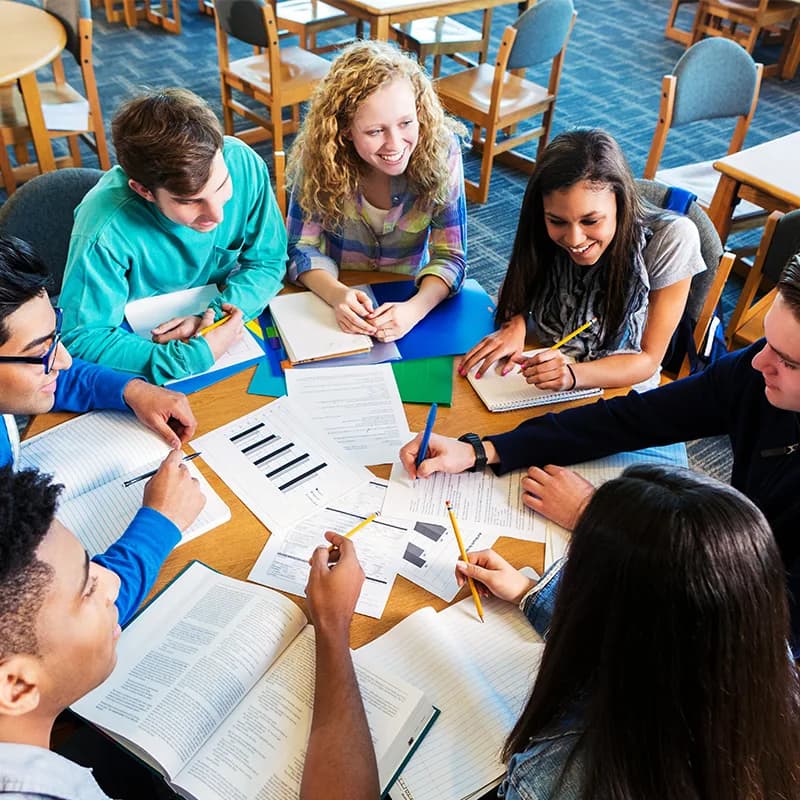
School
Italian high school
In Italy, students start upper-secondary school (scuola secondaria di secondo grado) at 14, and it lasts five years. A typical Italian student is 19 when they start university, whereas elsewhere 18 is the most common age.
As a general rule, exchange students join the 2nd, 3rd or 4th year: schools do not accept exchange students in the 5th year. The school has the final say on which year each participant joins, and may change it according to the student's progress during the year.
Types of school
There are several types of upper-secondary school, differing in their subjects and activities: the main division is between the liceo, the istituto tecnico and the istituto professionale. Any five-year secondary school leads to the final exam, the Esame di Maturità, held every year between June and July, which gives access to university.
Everyday school
School life
A typical day
- The school day usually starts at 8:00 and ends at 13:30, with a 15-minute break.
- Each lesson normally lasts 50 minutes.
- Many schools have lessons on Saturdays too.
- PE is part of the curriculum, and taking part is generally compulsory.
Homework
Every class sets homework, which must be completed and handed in on time. Most students should expect to study for 1–2 hours or more every afternoon.
Extracurricular activities
Schools rarely organise sports, social or cultural activities during or after school hours, and these are generally free. When they do, we encourage you to take part fully: it is the best way to fit into the school community and stay active.
School rules
All the schools in the programme are public schools run by the local education authorities. Each has its own code of conduct and its own policy on how students should look, and exchange students are expected to respect and follow them.
Living in Italy
Tips on Italian culture
Here are a few tips and pieces of practical advice to help you make the most of your stay in Italy.
- Try to speak the language! Italians will be impressed that you are trying, though they will often answer in English, to practise what they have learned.
- The afternoon rest. Some Italians still take a nap between 14:00 and 16:00. It is something of a fading tradition, but some shops still close, and it is best not to call on someone at that time in case they are having a snooze!
- Eating out. Check the price of dishes before you order: ingredients such as fresh porcini mushrooms can be very expensive.
- The kiss on both cheeks. The famous Italian greeting with a kiss on both cheeks is usually exchanged between friends and family: it lands high on the cheek and is more of an air kiss, with the kissing sound, than a real one. And, boys, it is perfectly normal for male friends and relatives to hug too.
- What to wear. Italians usually dress fairly formally: skimpy tops, flip-flops and sandals are for the beach or the pool, not for the street, restaurants or shops. People also take care not to wear jeans to the theatre or to a smart restaurant.
- Churches and museums. When you visit a church, keep your shoulders, knees and midriff covered. St Peter's Basilica in Rome is strict about this: don't even try to go in wearing shorts or showing too much skin. In museums and churches, switch off your phone, don't eat and keep your voice down.
Want to find out more?
Do you have questions about the Exchange Students programme, or are you an agency looking for a quote? Get in touch with AFSAI and we will reply with all the details.